Marine wildlife
Australia’s marine ecosystem covers several climatic, geological and oceanographic zones, producing a wide variety of marine and coastal habitats and environmental conditions, resulting in diverse and abundant marine flora and fauna. We’ve outlined some of the more common fauna & flora that you’ll face throughout Australian waters below.
Protected Aquatic Animals
All native mammals, birds and reptiles are protected in across Australia. Vessel operators must keep an active lookout to avoid harming these animals. Protected aquatic animals include whales, seals, dolphins, penguins and turtles, as well as a variety of water birds.
Boat-based whale watching has become a popular activity. To safeguard whales and minimise danger to vessels, there are certain rules governing vessel speeds and approach distances around whales (see diagram).
- Boats are not permitted to approach a dolphin or a whale – keep well clear.
Always be considerate of the potential damage your vessel & your water activities can have on Australia’s delicate marine ecosystem. Let’s keep it safe and healthy so your children and their children can enjoy our amazingly unique marine life.
Taking or damaging animals, plants and objects (artefacts) is also not permitted. There are strong penalties under the National Parks Act
for fishing in marine national parks and marine sanctuaries.
Seagrasses
Seagrass beds provide food and shelter to a wide variety of fish and invertebrates. They also help bind the sea floor and improve water quality. Seagrass has already been lost in some areas through the effects of water pollution, foreshore development and the recreational and commercial use of our waterways. You can help to preserve our seagrasses by adhering to the following:
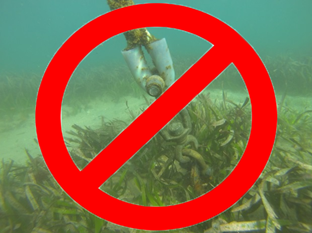
- Do not drive your boat across shallow, weedy areas, as boat propellers and jet propulsion units may damage seagrass
- Do not anchor on seagrass beds. These are often indicated by darker patches on the sea bed
Aquatic Weeds
Aquatic weeds can seriously harm the environmental and recreational value of rivers, estuaries and lakes. These weeds are often highly invasive and can smother and choke water bodies by forming large floating mats, dense submerged thickets or stands along the bank.
If you are boating in a weed infested area or on freshwater rivers, lakes and dams you should:
- Avoid shallow weedy areas or places with heavy aquatic plant growth where possible
- Obey any local vessel exclusion zones or fishing closures
- Inspect all ropes, anchors and fishing gear before and after use
- Clean your boat, trailer and all equipment after removal from the water and before moving to another waterway
- Learn to recognise aquatic weeds and be observant for new or unusual weeds.
Aquatic Bio-Security
Introduced pests and disease pose environmental, social and economic threats by impacting the natural balance of aquatic flora or fauna. You may be carrying marine pests on your boat and may be unknowingly spreading them to your favourite locations.
Cleaning your boat and gear will help stop the spread of marine pests. It will also reduce your fuel costs and increase the life of your boat.
Attempting the licence exam
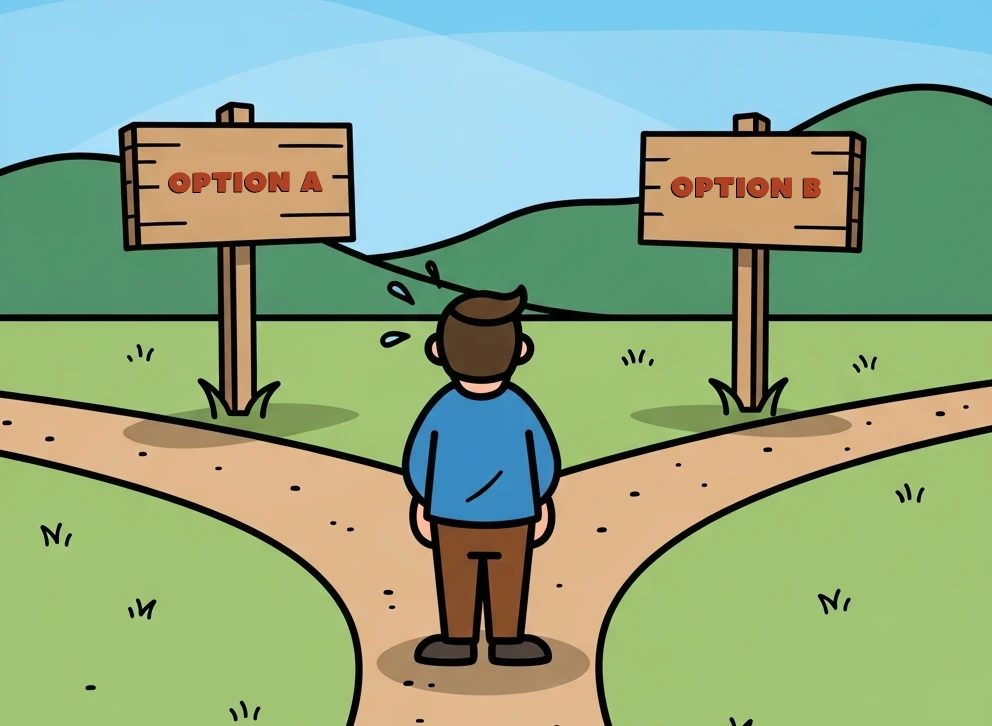
Option A
VicRoads testing: Simply turn up to any VicRoads centre in Victoria for instant licence testing. You can do this anytime, using this course to get the knowledge to smash the test. Immediately get your licence. It’s common for students to take Option A as it is a faster option.
To fast-track straight to the Option A practice exam, click here.
Option B
Zoom revision + testing: Complete this full training course then attend the comprehensive meet and greet zoom revision and testing session, which will take about 2 hours after this course’s education. Certificate will be mailed to you so you can take it into VicRoads to purchase the licence.
For those seeking a deeper dive into maritime safety and responsibility, we offer an exclusive personalised Zoom revision & testing session (Option B). This 2 hour meet and greet experience allows you to meet your trainer, discuss complex case studies, and attempt the licence exam with us instead of VicRoads. It is the ideal choice for students who want to go beyond the basics and gain maximum educational value from their training.
Our personalised Zoom sessions offer a fantastic opportunity to connect with your trainer before you dive in to the licence exam. This 2-hour interactive meeting is designed for more than just a “meet and greet”; it’s your chance to revisit core course topics, ask specific questions, and share a passion for boating with an expert. By the end of the session, you’ll be able to sit the official licence exam. If you prefer, you also have the option to complete your testing at a VicRoads location, skipping this meeting.