Man overboard
Initial actions
Should anybody fall overboard, do not jump in after them as the potential for drowning immediately doubles.
- shout “man overboard” to raise the alarm
- throw a lifebuoy ring, horseshoe or lifejacket to them
- check your bearings relative to prominent landmarks if available. Mark where the event occurred
on a map, GPS or chart plotter. This will assist if a search is required - keep them in sight at all times. Ask someone on board to point continuously at the person in the
water for the reference of the master and others on board who may be preparing equipment or
other head down activities - turn the boat toward the side they fell from (if the person is close to the propeller, put the motor
in neutral or switch off the motor to avoid striking them with a turning propeller).
To recover the person overboard position the vessel to bring the person alongside, preferably into wind, then stop engines to avoid striking them with a turning propeller. Help the person into the vessel, preferably over the stern, as a small vessel might capsize or take water if you try taking them in over the side.
On yachts with overhanging sterns, they should be pulled in at the lowest point of free-board. Consider installing a boarding ladder on your vessel
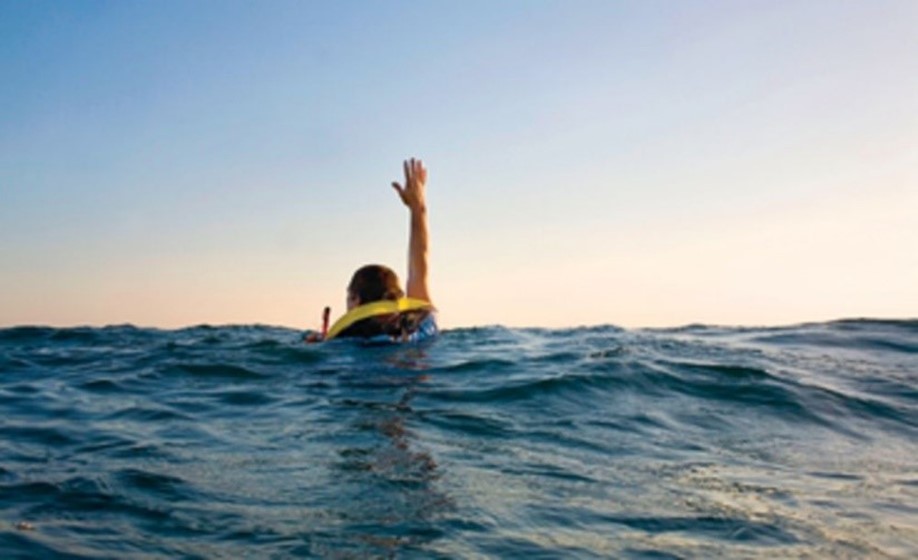
A person recovered from the water may be hurt, cold or exhausted. If they cannot help themselves, it is difficult to get them back into the vessel. Ropes, a sail or blanket may be passed under them in the water and used to lift and roll them back into the vessel. Keep the victim lying down if at all possible. Practice your ‘man overboard’ drill often.
Make sure, before every trip, you identify and discuss what to do in case of emergency. Preparation is key and will give you the greatest chance of survival should something go wrong. Do it; it doesn’t take long and can end up saving your life. There’s no real point discussing it after you’ve had the emergency.