Protecting the environment
Australia is a pretty bloody great country. We’re fortunate enough to have a wonderfully diverse yet delicate marine ecosystem. Our marine wildlife is revered across the world and as such, it’s your duty as a master of a vessel to ensure our seas & lakes stay healthy and beautiful for future generations to come. No matter where you go boating, you need to understand the impact your trips can have on the local wildlife, environment & other waterway users as well.
Protect Our Marine Wildlife
Always remember to be considerate of not only other boaters, but the local wildlife as well. You must always obey local laws regarding protected wildlife zones at all times, unless stipulated otherwise. It is an offence to enter a protected zone without a permit. This includes fishing, trawling or any underwater activity such as diving within a protected zone. Help protect the environment by observing the following these common-sense rules –
- Launch and retrieve your boat at designated boat ramps;
- Reduce your vessel speed to five knots near the edge of lakes and rivers;
- Dispose of all rubbish including fishing line, bait bags and food scraps appropriately; &
- Use sewage disposal facilities and prevent pollutants such as petrol and oil from entering the water.
Watch Your Wash
‘Wash’ is the wave effect created by a vessel moving through water. When you go boating, you may see ‘No Wash Zone’, or ‘Reduce Wash’ signs placed at areas where wash from a vessel is likely to cause damage to the foreshore or vessels, or injury or annoyance to people. It’s important you slow down to reduce your vessels ‘wash’ (wave size and intensity behind the boat/PWC) so you can abide by local rules.
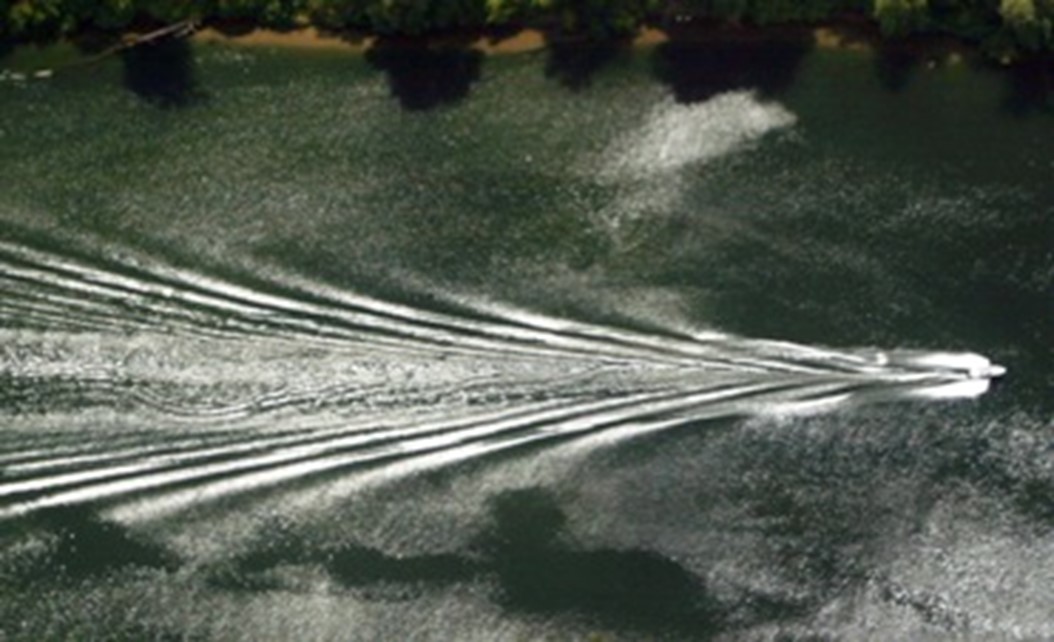
Each vessel produces different wash characteristics when travelling at various speeds. As the driver of the boat, you are responsible for the wash your boat causes. Where signage indicates, you must keep your vessel to a speed that will not create annoying or damaging wash It is an offence to create excessive wash that may cause impact regardless of whether there is a sign present or not. Be especially careful around smaller craft, anchorages and narrow sheltered waterways. Remain alert to the conditions so you can adjust your speed as necessary.
Travelling at a speed shown on a speed restriction sign could still result in excessive wash so it’s advised you travel at a slower speed if requested.
Activities such as wake boarding can result in excessive wash being generated, and has the potential to flood other vessels, particularly passive craft such as canoes and kayaks which could capsize. Consider conducting such activities in areas that avoid annoyance or danger to other boaters and river banks.
Consider Your Noise Impact
The noise generated from a boating can be loud. Noise is particularly an issue early in the morning as well as in close proximity to residential areas at any time. You need to be considerate about the impact your activities have upon others. For example, operating a noisy vessel such as a water skiing boat, a PWC or other loud vessel near a family on the shore trying to have a relaxing family lunch would be inconsiderate. As a solution, you could operate your vessel in a more appropriate location to avoid disturbing others.