Carbon monoxide poisoning
Carbon monoxide (CO) poisoning occurs when you breathe in too much carbon monoxide and it begins to replace the oxygen in your blood. Without oxygen, cells throughout the body die, and the organs stop working. The main systems affected are the cardiovascular system and nervous system. We all know that carbon monoxide can be fatal. Hundreds of people, young and old, die from the fumes of this poison every year. The question is how to guard against this so-called “silent killer”?
Symptoms
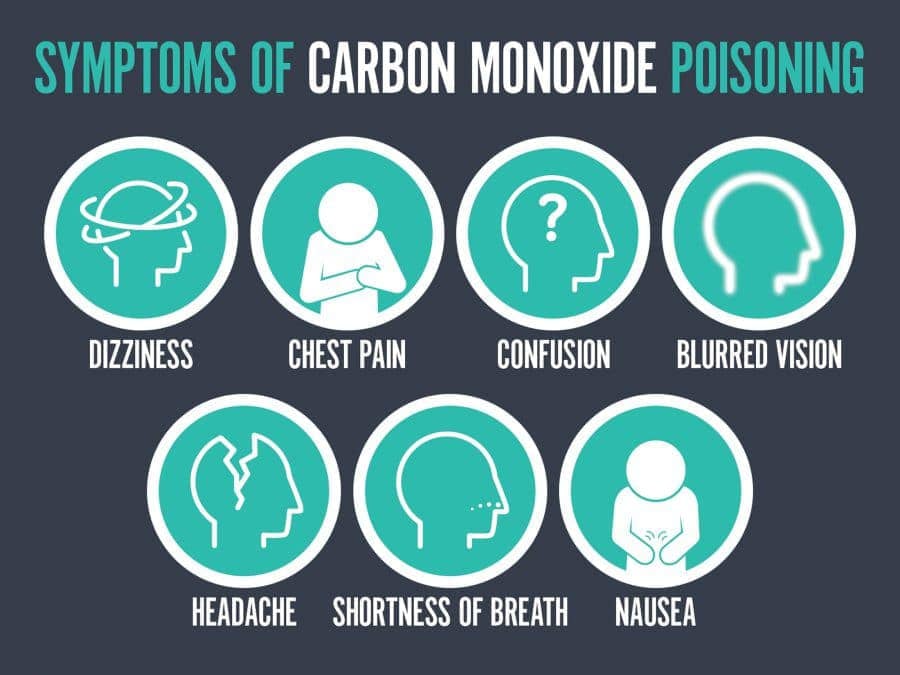
Poisoning by carbon monoxide is difficult to diagnose. Symptoms are similar to illnesses such as influenza, the onset of a cold or seasickness. Symptoms can include –
Action to take
When you suspect carbon monoxide poisoning, immediately taking the following steps can save lives: –
- Immediately move the victim to fresh air in an open area;
- See a doctor immediately;
- Call 000 or for immediate medical attention;
- Do not reboard the boat until you receive an expert opinion from a competent authority (e.g. firefighters).
Be prepared
The potential for CO poisoning can differ depending on your vessel type. Regardless, it’s best to put the following into your vessel inspection checklist before you start the engine:
- ensure inboard engines exhaust outside the vessel
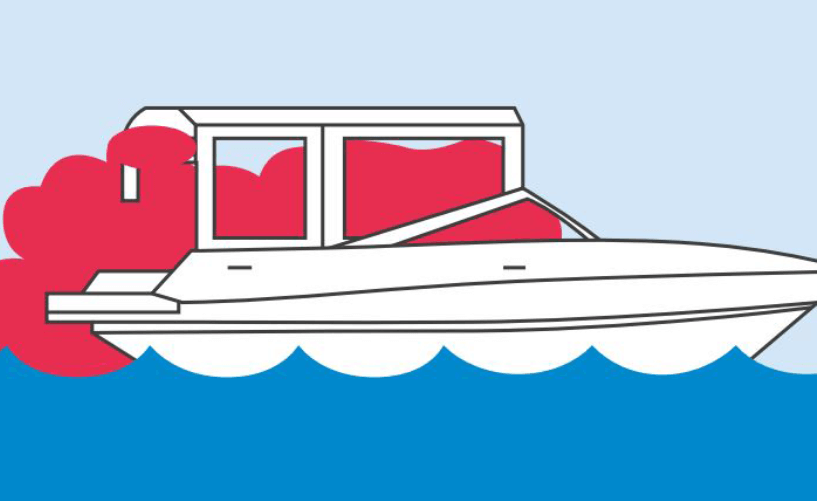
- make sure canvas enclosures are adequately ventilated
- ensure stoves and fuel heaters are exhausted outside the cabin
- never use a gas stove or oven for heating
- keep cabins and engine bays well ventilated
- make sure the engine bay vents are outside the cabin
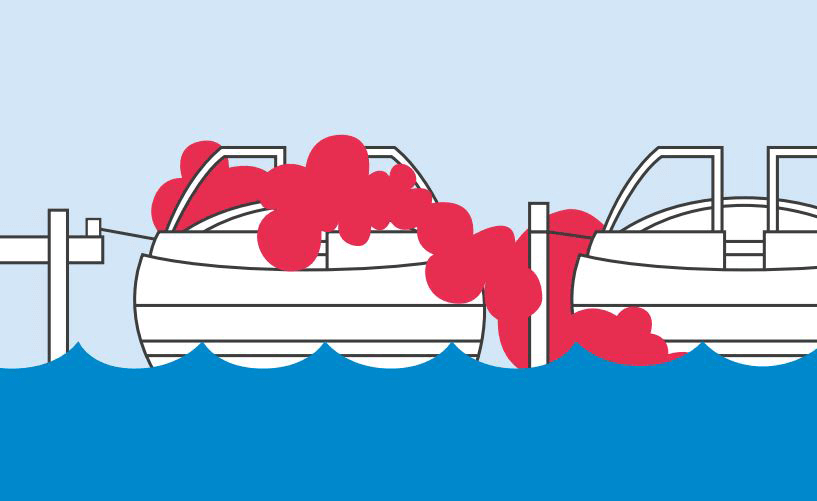
- be aware of another vessel’s exhaust. Carbon monoxide from the boat docked next to you can be just as deadly
- install carbon monoxide alarms in cabins and keep them serviced regularly
- be wary when external exhaust gases are blown by the wind into the cabin or into a sheltered part of the deck for any length of time
- always have your equipment installed and serviced by a competent person